/filters:format(jpeg,png)/fit-in/300x300/guide_websites/22172/images/redandblackillustrativefishingteambadgelogodesign.png)
/filters:format(jpeg,png)/fit-in/237x80/guide_websites/22172/images/redandblackillustrativefishingteambadgelogodesign.png)
Beginner's Guide To Deep Sea Fishing
%2Ffit-in%2F1000x1000%2Ffilters%3Aformat(webp)%2Fusers%2F838b7151-3fbc-453b-8f4c-fc00d81c634e%2Fprofile%2F454779361_1707668736674645_6765598686736969656_n.jpg&w=1920&q=75)
Published: July 20, 2026
This beginner’s guide to deep sea fishing is designed to make your first trip feel less intimidating and more exciting. For most people, deep sea fishing sounds difficult because it happens far from shore, in deep water, targeting larger fish in the open ocean. In reality, beginners can learn quickly with the right preparation, basic fishing knowledge, and a good crew.
Whether you are booking your first deep sea fishing charter, planning a weekend fishing trip, or simply curious about offshore adventures, it is essential to understand the basics to help you enjoy the experience. Deep sea fishing gives anglers opportunities to target bigger fish, explore open water, and experience a completely different type of saltwater fishing.
What Is Deep Sea Fishing?
Deep sea fishing refers to fishing in deeper offshore waters, usually far enough from shore that reefs, ledges, and deep structure become your primary fishing spots. Unlike freshwater fishing or fishing from shore, deep sea fishing takes place in open sea conditions where fish species can be larger, stronger, and more aggressive.
Most deep sea fishing trips take anglers into deep water using specialized fishing boats designed for offshore conditions. These trips usually target larger fish species that live around reefs, wrecks, and structure farther offshore. Deep sea fishing differs from inshore fishing because the water is deeper, the fish are larger, and the fishing methods often require heavier tackle.
Types Of Deep Sea Fishing Trips
Nearshore Trips
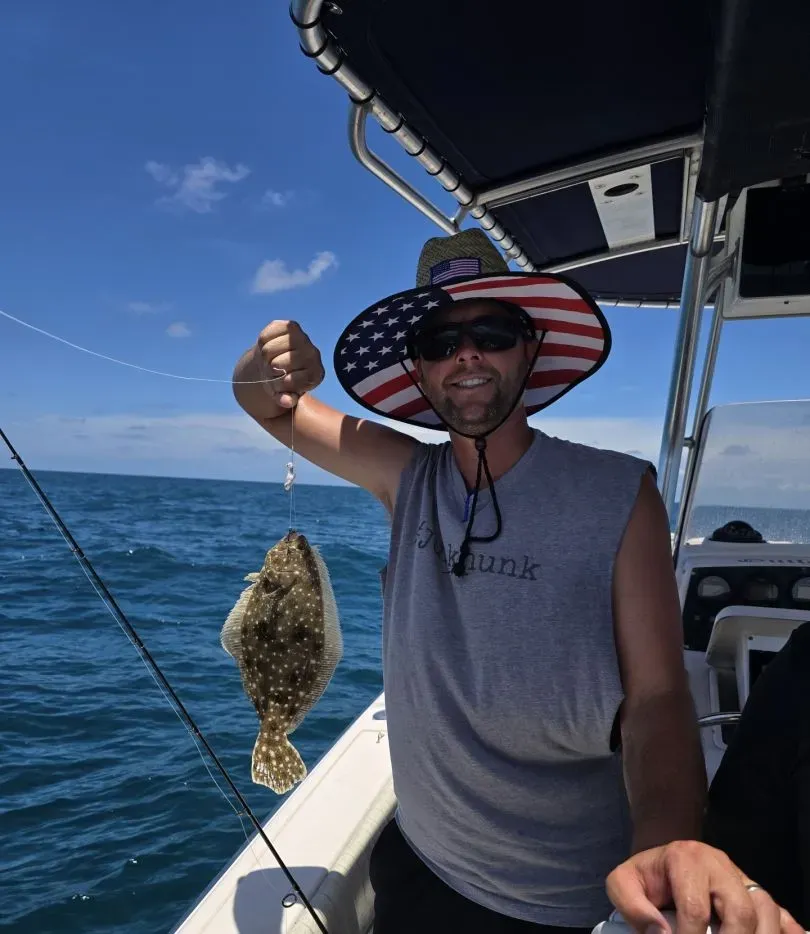
Nearshore trips stay closer to shore and is a great introduction to offshore fishing. These fishing trips target smaller fish around reefs while allowing beginners to remain close to land. These trips are best for families, new anglers, anyone worried about rough water and people wanting shorter fishing trips
Offshore Trips
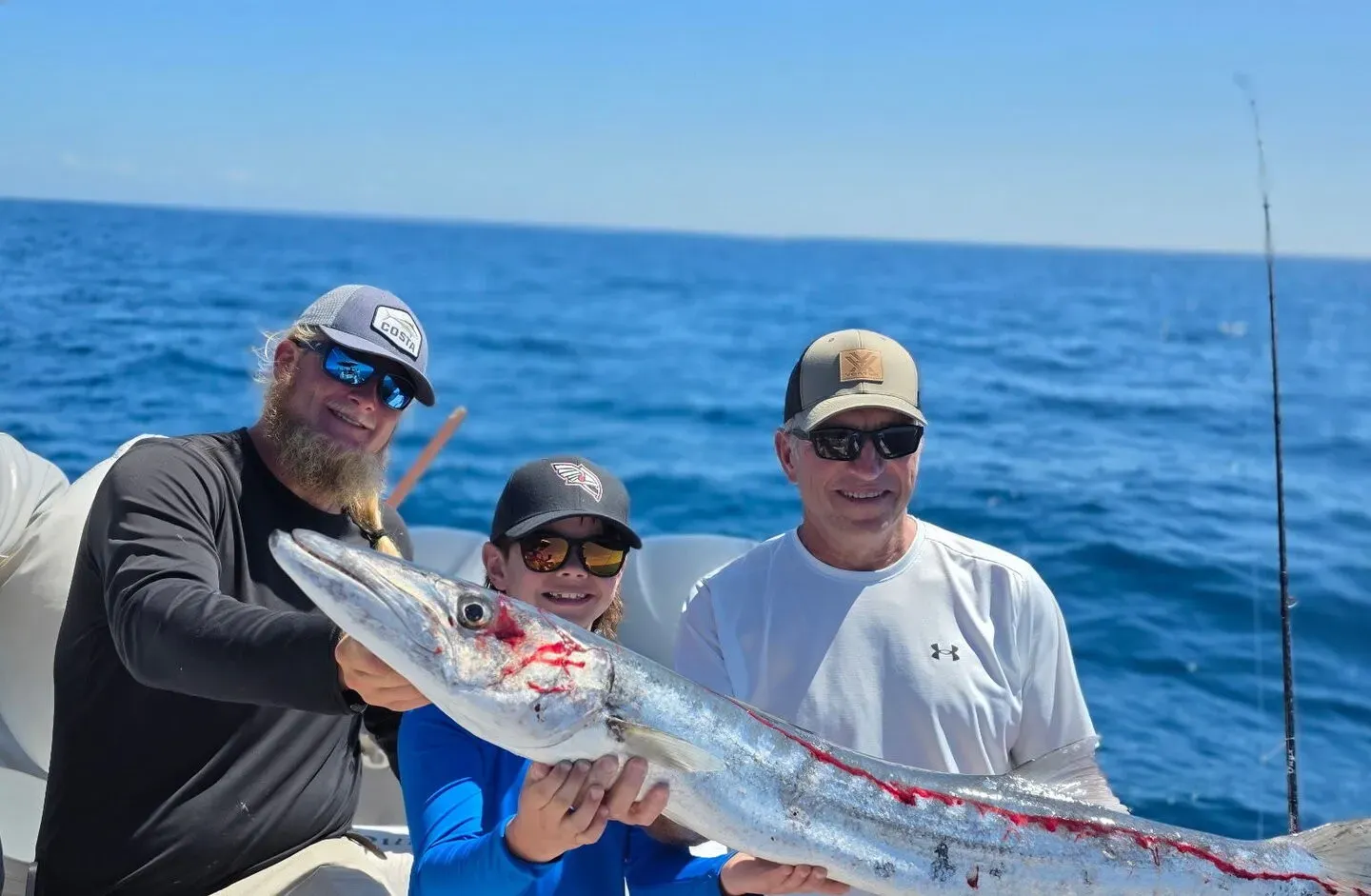
A standard deep sea fishing trip usually means heading farther offshore into deeper water where larger fish gather. Most offshore trips target Snapper, Grouper, Tuna, Kingfish, Dolphin fish, and other pelagic fish. This type of fishing creates opportunities for anglers chasing larger fish without requiring extreme travel distances.
Long Range Deep Sea Trips
Long-range trips travel farther offshore into open ocean environments. It targets Tuna fishing opportunities, deep-water species, big game fish and massive fish living far offshore. These are best for experienced anglers.
What Fish Can Beginners Expect To Catch?
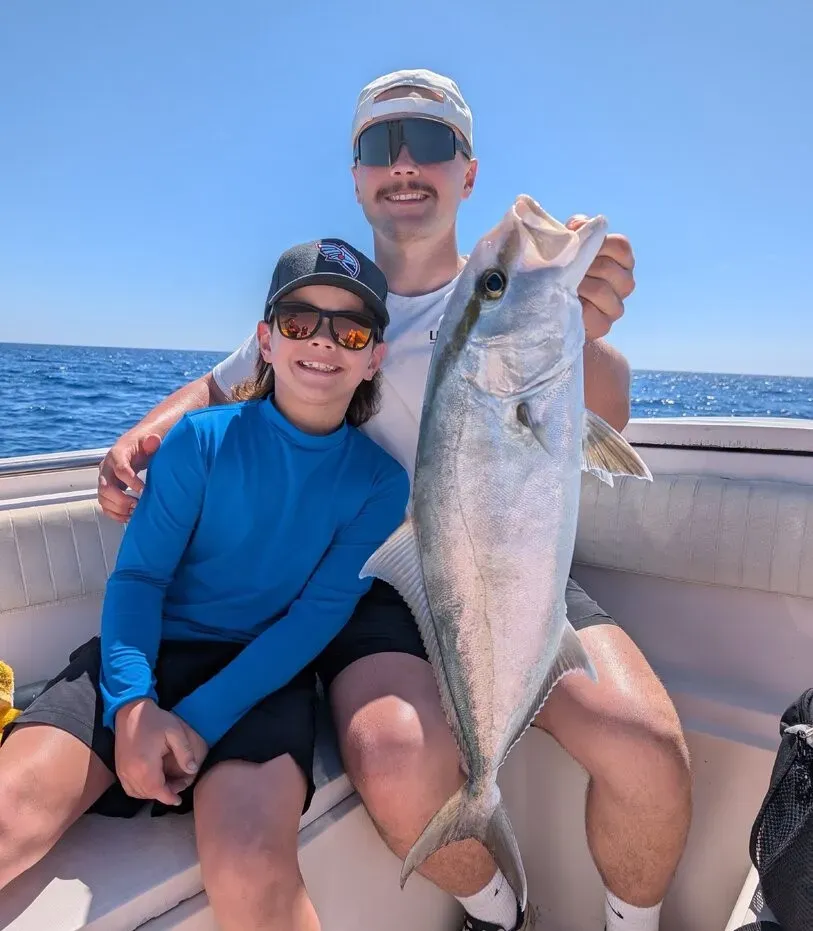
One advantage of deep sea fishing is the wide variety of fish species available. For Beginners, they can commonly catch Snapper, Grouper, Small fishes around reefs, Tuna species, Triggerfish, Kingfish and Reef fish.
Although trophy fish are also possible, beginners should focus more on learning fishing techniques and becoming comfortable on the boat. A successful day is not always about the biggest catch. Sometimes successful deep sea fishing simply means learning, catching fish consistently, and enjoying time offshore.
Essential Deep Sea Fishing Equipment
Most beginners do not need to buy expensive fishing gear. A quality fishing charter usually provides Fishing rod and reel setups, Hooks and tackle, Bait, Ice storage, Safety equipment and a Fishing license coverage. Fishing gear on deep sea boats is usually heavier because larger fish fight harder and require stronger equipment.
Understanding Bait And Live Bait
Bait selection plays a major role in catching fish. Among the common options are frozen bait, squid, cut bait, live bait and bait fish.
Live bait usually has better results because it creates more natural movement underwater. Although, different fish species would prefer different bait choices depending on season, water temperature, and location.
What To Bring On Your Trip
Preparing for offshore conditions helps create a better experience because of comfort. You need to be equipped with sunscreen, water, sunglasses, comfortable clothing, food and snacks and motion sickness medication. Most beginners underestimate how much time they spend exposed to sun and water reflection. Staying hydrated is one of the easiest deep sea fishing tips beginners can follow.
Common Deep Sea Fishing Techniques
Learning a few deep sea fishing techniques before your trip helps build confidence.
Bottom Fishing
Bottom fishing is the most common fishing method for beginners. In this method, anglers drop bait toward reefs where fish gather and wait for bites near structure.
Trolling
Trolling involves pulling bait or lures behind a moving boat. This technique commonly targets Tuna, Kingfish, Dolphin fish, Pelagic fish and larger fish.
Drift Fishing
Drift fishing allows the boat to naturally move with wind and current while anglers fish structure below. Most captains combine multiple fishing techniques during a trip.
Deep Sea Fishing Tips For Beginners
Simple preparation creates better results. Before heading out to the water, you need to listen to the crew, stay hydrated, ask questions, keep bait near productive depths and stay patient.
Deep sea fishing tips may sound simple, but they often make the difference between frustration and success.
Beginner Mistakes To Avoid
It is common for beginner to make mistakes because that is the quickest way to learn. But it would be better we can avoid bringing too much equipment, ignoring weather conditions, using incorrect bait, expecting a big catch immediately and not drinking enough water.
Always remember that fishing in deep water requires patience and realistic expectations.
FAQs
Is Deep Sea Fishing Hard?
No. Most fishing charters handle navigation, equipment, and setup. Your job is simply to fish.
What Is The Best Fishing Trip For Beginners?
Most beginners enjoy a six-hour offshore fishing trip because it provides enough time to catch fish without becoming exhausting.
Can Beginners Catch Big Fish?
Yes. Many beginners catch large fish during their first trip, especially when targeting reef species offshore.
Do I Need Experience?
No experience is necessary. Experienced crews teach fishing techniques, help with bait, and assist during the trip.
Conclusion
Deep sea fishing may look intimidating, but beginners often discover it is easier than expected.
Whether your goal is catching fish, chasing trophy fish, targeting tuna, or simply enjoying a deep sea fishing adventure on the Gulf Coast, preparation helps create better experiences.
Book the boat, trust the crew, enjoy the water, and focus on learning. Your first deep sea fishing trip may quickly become the first of many.