

Hogfish Fishing Charter Clearwater FL
Hogfish Fishing in Clearwater - What to Expect

Trip lead by Captain Gage Brady in April
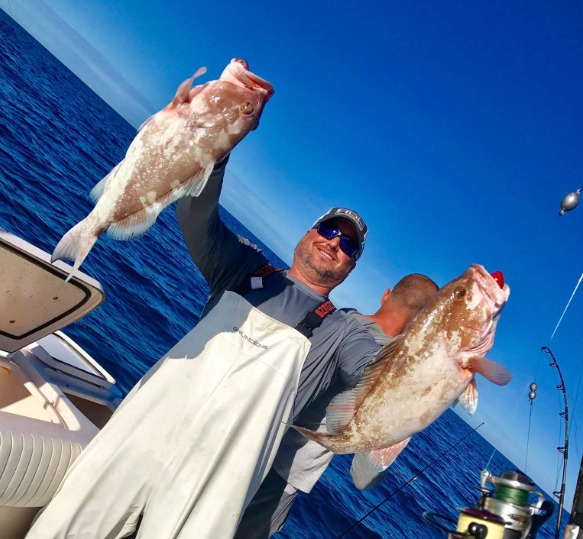
- Clearwater Fishing: Reel in the Gulf’s Best!


Summary
Discover hogfish fishing in Clearwater, FL with Captain Gage Brady of Outlaw Gunner Charters. This Thursday, April moment captures the thrill of landing a prized hogfish on the water, showcasing the exciting saltwater fishing opportunities that make this guided trip memorable for anglers seeking authentic Gulf Coast action.
Fishing with Captain Gage Brady - Rates & Booking
Captain Gage Brady of Outlaw Gunner Charters brings authentic Gulf Coast expertise to Clearwater waters on Thursday, April 16th. This inshore fishing experience targets the prized hogfish, a species that demands skill and patience on the flats and reefs surrounding Clearwater. The charter puts anglers directly on the action, with Captain Brady's local knowledge guiding you to productive fishing grounds where hogfish congregate.
To book your hogfish fishing adventure or inquire about rates, pricing, and available dates, contact Outlaw Gunner Charters directly. Captain Brady welcomes both experienced anglers and those new to saltwater fishing, providing the guidance needed to connect with hogfish and other Gulf species.
Highlights of Hogfish Fishing in Clearwater
Hogfish are among the most sought-after inshore catches in the Clearwater area. These vibrant, powerful fish demand precise casting and quick reflexes when they strike. The thrill of watching one hit your lure and feeling the solid fight on the line is what keeps anglers returning to these waters.
Clearwater's shallow flats and reef systems create an ideal environment for hogfish hunting. The visual, sight-casting approach to this fishery means you'll actually see the fish cruising the bottom before they take your bait or lure. This interactive element transforms the experience from passive waiting into active hunting, keeping energy and focus high throughout the day.
Local Species Insights: Hogfish
The hogfish is a distinctive and hard-fighting saltwater species that inhabits the reefs, grass flats, and rocky structures surrounding Clearwater. Recognizable by their pig-like snout and compressed body, hogfish use their specialized mouth to root through the bottom searching for crustaceans, small fish, and mollusks. This feeding behavior makes them predictable targets when you understand their habitat preferences.
Hogfish thrive in the clear, shallow waters of the Gulf of Mexico, typically found in depths ranging from 3 to 30 feet. They're most active during higher tides when they move into shallower feeding zones. Their aggressive feeding style means they'll strike quickly once they locate prey, giving anglers the dynamic, fast-paced action that defines Clearwater's inshore fishery.
What makes hogfish particularly rewarding is their combination of challenge and reward. They're intelligent enough to demand accurate presentations and the right technique, yet aggressive enough to provide consistent action when you find them. The visual element of sight-casting to hogfish in clear water adds an engaging layer to the hunt. Once hooked, their solid fight on light to medium tackle makes them an exciting opponent for any angler.
The Clearwater environment supports a healthy hogfish population, particularly around the deeper grass flats and artificial structures. Captain Brady's intimate knowledge of these locations puts you in prime position to encounter multiple fish throughout your day on the water. The shallow, clear conditions also mean you'll witness the entire interaction from the moment the fish appears to the final successful hook-up.
Hogfish respond well to live bait presentations, as well as small lures and flies. Their natural feeding patterns and competitive nature mean they often move in small groups, so finding one frequently leads to multiple encounters. This abundance of opportunity is what makes Clearwater such a destination for hogfish-focused anglers seeking consistent action.
Fishing in Clearwater, FL: Hogfish
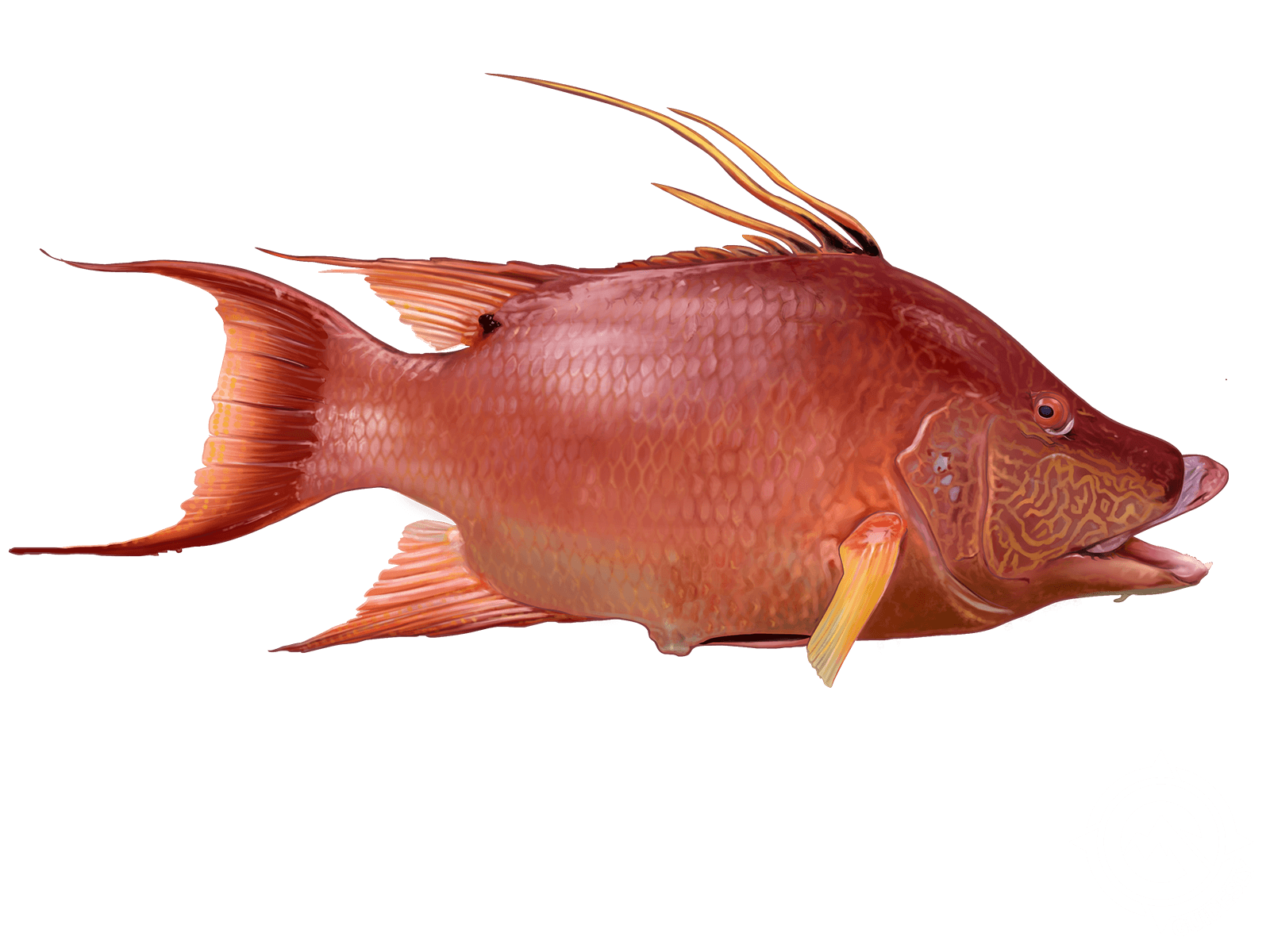
Hogfish Overview
The Hogfish, scientifically known as Lachnolaimus maximus, is a member of the Labridae family within the order Perciformes. This remarkable wrasse gets its common name from its distinctively prominent snout, which closely resembles that of a pig—a feature that makes it instantly recognizable to divers and anglers alike. What makes the Hogfish truly special is not just its appearance but its behavior; these curious fish are known to swim alongside divers and investigate new sounds in the water with an almost playful inquisitiveness. Found throughout reef systems and structured habitats along coastal areas, the Hogfish has become a favorite target for both recreational anglers and spearfishers seeking an exciting challenge and a rewarding catch.
Hogfish Habitat and Distribution
Hogfish are predominantly found in open bottoms and coral reef environments, preferring depths ranging from 10 to 100 feet (3 to 30 meters). They show a strong affinity for the edges of reefs where they form small, organized schools. These fish are particularly attracted to hard sand and rock bottoms, areas rich in the shellfish and crustaceans they depend on for food. Structurally, they favor hardbottoms with small cracks and live corals, as well as rocky areas with at least 1 to 5 feet of relief and natural ledges. Around popular fishing destinations like the Florida Keys and throughout the Caribbean, Hogfish congregate in predictable zones, making them accessible to both experienced and novice anglers willing to seek out the right habitat.
Hogfish Size and Weight
Adult Hogfish typically range from 10 to 36 inches in length, with most specimens weighing between 8 and 24 pounds. The largest specimens on record have reached approximately 3 feet (0.91 meters) in length and tipped the scales at around 22 pounds (10 kilograms). Juvenile Hogfish are noticeably smaller and tend to focus their feeding efforts more heavily on mollusks and echinoderms before transitioning to a more diverse diet as they mature. The sexual maturity of these fish—and their ability to change gender—typically occurs around 3 years of age, which corresponds to a certain size threshold within their population.
Hogfish Diet and Behavior
As carnivorous feeders, Hogfish are equipped with specialized canine teeth designed for shredding and processing tough shellfish and crustaceans. Their hog-like snout serves as a primary foraging tool, allowing them to dig through sand and reef rubble much like a pig rooting in soil. They actively consume mud crabs, small crabs, sea urchins, and a variety of mollusks, using their snout and teeth in coordinated fashion to expose and extract prey. Behaviorally, Hogfish are notably curious and bold; they're attracted to vibrations and sound in the water and tend to investigate anything that might signal a food source. However, this aggressive feeding behavior comes with a territorial streak—these fish are known bullies that harass smaller species, establishing dominance within their schools. Interestingly, Hogfish are hermaphroditic, with the ability to change from female to male once reaching a certain size and maturity level, a phenomenon that maintains balance within their hierarchical social structure.
Hogfish Spawning or Seasonal Activity
Hogfish reach sexual maturity at approximately 3 years of age, at which point females have the biological capacity to transform into males based on environmental cues and their position within the school hierarchy. They typically live in schools with one dominant male and multiple females, though this dynamic shifts when a female grows sufficiently large to trigger a gender transition. The presence of a black spot behind the pectoral fins is an exclusive male characteristic, making sex identification straightforward for experienced observers. While specific spawning seasons vary by region and water temperature, these fish remain relatively active year-round in tropical and subtropical waters, with increased feeding intensity during warmer months when prey is more abundant.
Hogfish Techniques for Observation or Capture
Spearfishing Method: Many experienced anglers and divers favor spearfishing as the most effective technique for pursuing Hogfish. This method requires a steady hand, sharp reflexes, and knowledge of reef structure. Approach areas with hard bottoms, live coral, and rocky formations where these fish congregate. Move slowly and deliberately, allowing the fish to become accustomed to your presence. Hogfish are naturally curious and may swim toward you, especially if you create subtle vibrations or sounds in the water—mimicking the disturbance of prey. A quality speargun with good accuracy range (typically 4 to 8 feet) increases your success rate significantly.
Hook and Line with Live Bait: While traditional hook-and-line fishing presents challenges due to their snout and aggressive strikes, it remains viable with the right approach. Use live mud crabs or live shrimp as bait; the struggling motion and sound generated by live prey will attract nearby Hogfish. Cast near structure—ledges, rocky outcroppings, and reef edges—and be prepared for fast, hard strikes. Medium to medium-heavy tackle with quick reflexes is essential, as these fish don't hesitate once they commit to a strike. Around popular destinations like the Florida Keys, hiring a local guide familiar with prime Hogfish territory dramatically increases your chances of connecting with these aggressive feeders.
Attraction and Curiosity-Based Tactics: Take advantage of the Hogfish's inquisitive nature by creating underwater noise and vibrations. Some anglers report success using chumming techniques near structured areas, which draws fish closer while you prepare your rod or spear. The species' boldness means they'll often investigate divers and snorkelers, so remaining calm and moving deliberately can lead to excellent photo opportunities or capture attempts.
Hogfish Culinary or Utilization Notes
Hogfish has earned a solid reputation among seafood enthusiasts and is considered good eating with mild flavor and subtle sweet undertones. The meat is firm and white, making it versatile for various cooking methods—grilling, pan-searing, and baking are all popular preparations. Some anglers and chefs argue that Hogfish actually surpasses Grouper in sweetness and overall flavor quality, making it a prized table fish throughout the Caribbean and Florida. From a nutritional standpoint, Hogfish is rich in protein and omega-3 fatty acids, supporting a healthy diet. The species is sustainably abundant in most regions where it's found, meaning responsible harvesting aligns well with environmental stewardship.
Hogfish Frequently Asked Questions
Q: What is the best bait or technique for catching Hogfish?
A: Live mud crabs and live shrimp work exceptionally well as bait, as their movement and vibrations attract Hogfish. However, spearfishing is considered the gold standard by most experts due to the species' aggressive nature and fast strikes. If using hook and line, be prepared for explosive takes and have your drag set appropriately to handle powerful runs.
Q: Where can I find Hogfish, especially around popular fishing destinations?
A: Hogfish thrive in structured reef environments, hard-bottom areas, and rocky ledges at depths between 10 and 100 feet. Look for areas with live coral, small cracks in the reef, and noticeable relief. Around locations like the Florida Keys, charter captains know the best Hogfish grounds, typically on reef systems and near prominent wrecks where structure attracts these fish in numbers.
Q: Is Hogfish good to eat?
A: Absolutely. Hogfish is considered excellent eating with mild, sweet meat that many compare favorably to Grouper. The white, firm flesh is versatile and takes well to most cooking techniques. It's also nutritionally dense, offering good protein and omega-3 fatty acids, making it both delicious and health-conscious.
Q: When is the best time to fish for Hogfish?
A: Hogfish are active year-round in tropical and subtropical waters, but feeding intensity increases during warmer months when prey availability is highest. Morning hours and overcast days often produce consistent results, as these fish are more active when light levels are moderate rather than in bright midday conditions.
Q: How can I distinguish between male and female Hogfish?
A: Males are the only sex that displays a distinctive black spot behind their pectoral fins. Additionally, males exhibit brighter coloration overall, particularly in their orange-tinted fins, while females tend toward more muted tones. This visual distinction makes field identification straightforward for experienced anglers and divers.
Q: Why are Hogfish so aggressive toward other fish?
A: Hogfish are territorial feeders with a dominant social hierarchy. Their aggressive behavior toward smaller fish is a natural extension of their assertive foraging style and their position within school hierarchies. This bullying behavior helps them secure access to prime feeding zones and maintains their dominance within their social group.